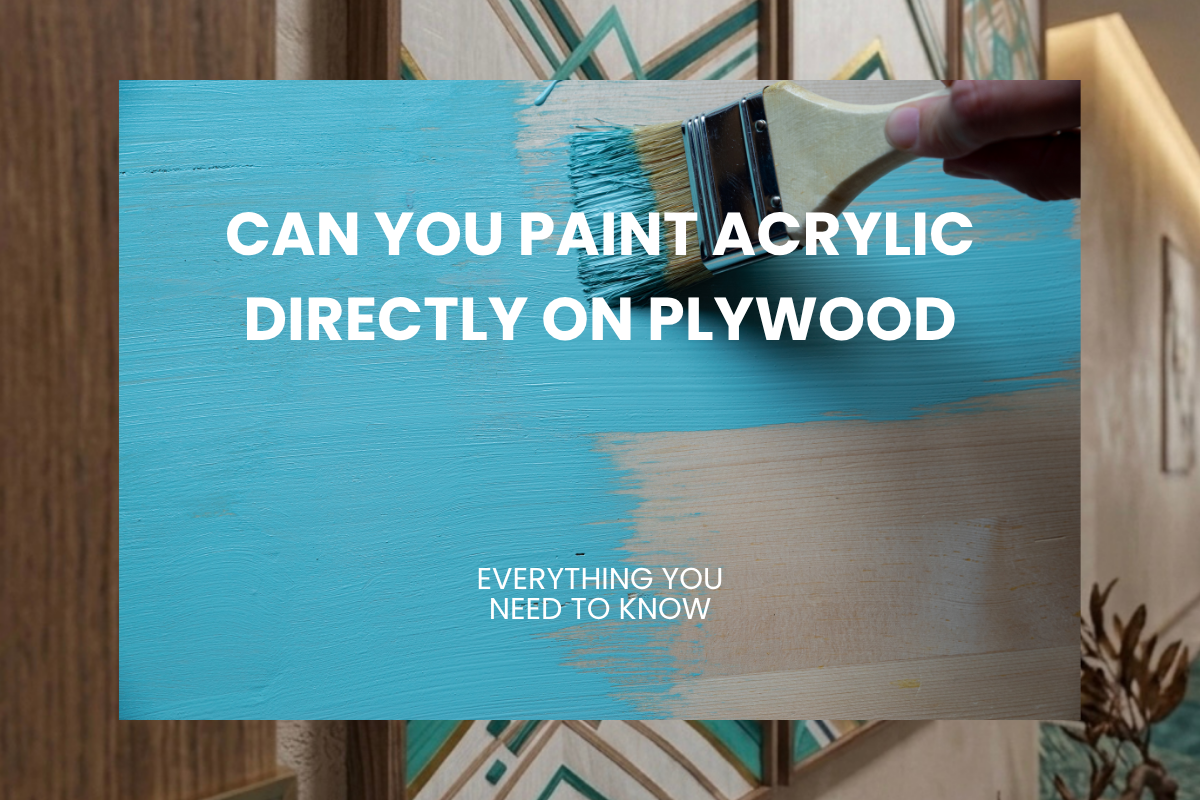
Can You Paint Acrylic Directly on Plywood? Everything You Need to Know
Published by Reena M
If you’ve ever wondered whether acrylic paint can be applied directly to plywood, the answer is yes. Acrylic adheres well to wood, making plywood a popular surface for artists looking for something more tactile and architectural than canvas.
But while painting directly onto raw plywood is possible, a little preparation can make a big difference to the final result and the longevity of your artwork.
Why Paint on Plywood?
For centuries, artists painted on wooden panels before stretched canvas became common. Today, plywood is enjoying a resurgence among contemporary artists because it offers a unique combination of strength, texture, and warmth.
Unlike canvas, plywood has a natural grain that becomes part of the artwork. Every panel is different, adding character that cannot be replicated.
As an abstract artist, I work on plywood because I want the material itself to contribute to the story. The wood isn’t just a surface , it’s part of the finished piece.
Can You Paint Directly on Raw Plywood?
Yes, but the finish will be different.
Raw plywood absorbs paint quickly, resulting in a matte, organic appearance. Many artists embrace this because the visible grain creates depth and texture.
However, raw wood can also absorb paint unevenly, meaning you’ll use more paint and colours may appear less vibrant.
Should You Use Gesso First?
If you’re creating artwork intended to last for years, I recommend applying acrylic gesso before painting.
Gesso helps to:
- Seal the wood surface
- Reduce paint absorption
- Create brighter, more vibrant colours
- Improve paint adhesion
- Protect the wood from moisture over time
For most paintings, two or three thin coats of gesso provide an excellent painting surface.
My Preparation Process
Every artist develops their own approach, but my process typically includes:
- Choosing quality plywood with a smooth surface.
- Lightly sanding the panel.
- Removing all dust.
- Applying several coats of acrylic gesso.
- Sanding lightly between coats when a smoother finish is desired.
- Painting with professional acrylics.
- Protecting the finished artwork with archival varnish.
This creates a durable surface while still allowing the warmth of the wood to remain part of the artwork.
Why I Choose Plywood Instead of Canvas
People often ask why I don’t simply paint on canvas.
The answer is simple: plywood gives my work a presence that canvas doesn’t.
Its rigid surface supports layered textures, crisp geometric forms, and subtle details. I also enjoy allowing glimpses of the wood grain to remain visible, reminding viewers that every piece begins with a natural material.
No two panels are ever exactly alike.
Does Acrylic on Plywood Last?
Yes.
When prepared correctly and displayed indoors, acrylic paintings on plywood can last for decades.
Using artist-grade materials, proper surface preparation, and a protective varnish helps ensure your artwork remains beautiful for years to come.
Original Artwork and Fine Art Prints
Many of my original paintings are created on plywood because I love the warmth and character of the material. For collectors who prefer different sizes or a more accessible option, selected works are also available as premium fine art prints.
Whether you choose an original or a print, my goal is the same to create artwork that brings colour, texture, and a sense of quiet balance into your home.
Final Thoughts
So, can you paint acrylic directly on plywood?
Absolutely.
Whether you leave the wood raw for a rustic look or prepare it with gesso for a refined finish, plywood is one of the most rewarding surfaces to paint on. Its strength, texture, and natural beauty make it a favourite among contemporary artists and it’s the foundation of many of my own original works.
Leave a Reply