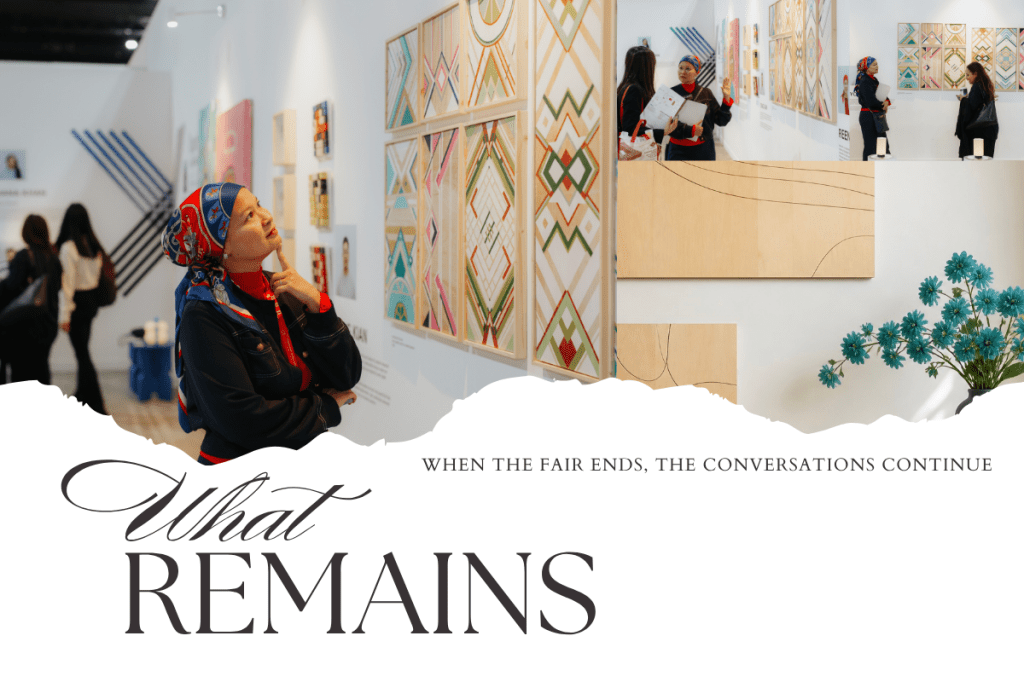
Now just slightly over two months after exhibiting at xOrdinary during the Malaysian International Furniture Fair 2026, I still find myself reflecting on the experience not just as an artist, but as someone deeply interested in how people move through space, interact with ideas, and connect through design.
xOrdinary was more than a showcase. It became a meeting point between disciplines, conversations, and perspectives. In a fair largely centred around furniture manufacturing and commercial design, it carved out a space for experimentation a space where art, spatial thinking, material exploration, and storytelling could exist together.
As an artist and spatial system designer, participating in this platform was both exciting and revealing. It allowed me to present work that sits slightly outside conventional categories. My work has always explored movement, modularity, emotion, and human interaction within space, so being part of an environment that welcomed conceptual thinking felt meaningful.
Looking back now, one of the strongest parts of the experience was the people.
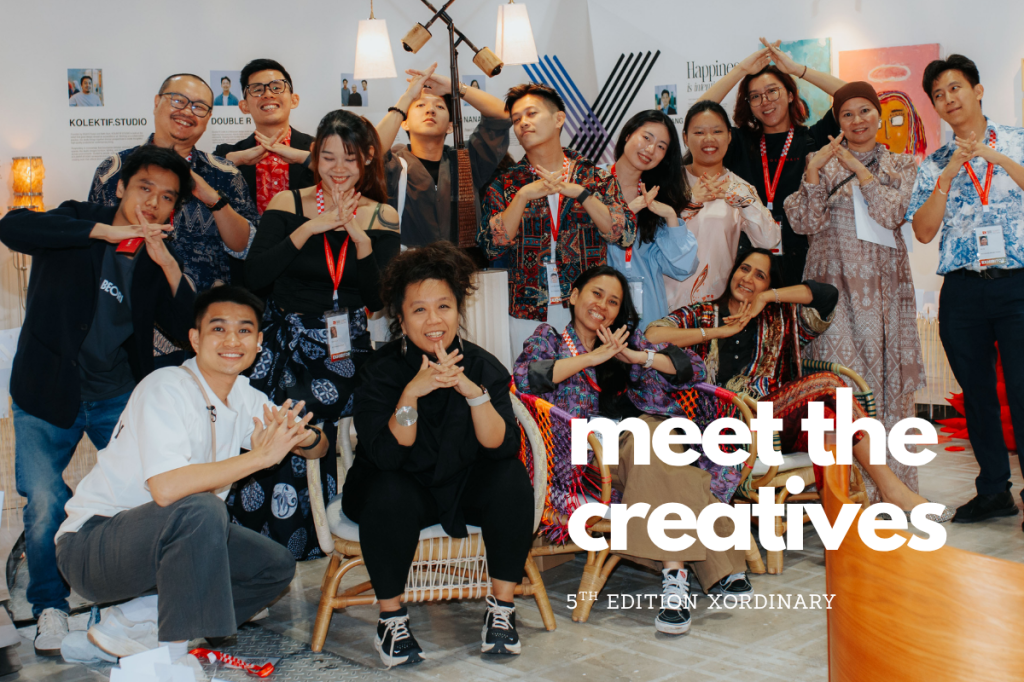
Over the course of the exhibition, I met fellow artists, designers, architects, students, curators, hoteliers, and visitors from different countries each bringing their own perspective into the conversation. Some visitors stayed only a few moments, while others spent time asking questions, discussing process, or sharing their own interpretations of the work. Those exchanges reminded me that art and design are not only visual experiences; they are relational experiences. Sometimes the most valuable outcome of an exhibition is not a sale or a photograph, but a conversation that continues long after the event ends.
I was especially encouraged by the number of people who were curious about spatial systems and modularity. Many visitors were intrigued by the idea that art could function beyond a static object that it could shift, adapt, or influence the way people experience an environment. Hearing different interpretations of the work reinforced something important to me: once a piece enters a public space, it no longer belongs only to the artist. It begins to live through the perspectives of others.
The fair also created unexpected connections. Some discussions opened doors to future collaborations in hospitality and interior spaces, while others simply introduced me to creatives I may never have met otherwise. Exhibitions like this remind us how important physical spaces still are in a digital world. Seeing work online is one thing, but standing in front of it, moving around it, experiencing scale, texture, and atmosphere in person creates a completely different relationship.
Hiccup?
Of course, like any large-scale event, there were also challenges and hiccups along the way.
One of the biggest realities of exhibiting within a major furniture fair is that visitors arrive with different expectations. Many attendees come looking specifically for products, suppliers, and commercial furniture solutions, so conceptual or experimental works sometimes require more context for audiences to fully engage with them. There were moments where I felt stronger storytelling or more visible concept explanations could have helped bridge that gap between art, design, and commercial visitors.
At times, the pace of the fair itself could also feel overwhelming. Large crowds, busy pathways, overlapping visual stimulation, and limited time meant that some works may not have received the slower, reflective attention they deserved. Experimental design often asks viewers to pause, absorb, and question something that can be difficult in a fast-moving trade environment.
Lighting and spatial presentation are also incredibly important when exhibiting conceptual work. Some pieces rely heavily on subtle materiality, shadow, form, or atmosphere, and there is always room to refine how these elements are presented in future editions. As artists and designers, we understand that the environment around a piece becomes part of the work itself.
But despite these small challenges, the overall experience remained overwhelmingly positive.
What xOrdinary succeeded in doing was creating room for possibility. It acknowledged that design is not only about functionality or commerce, but also about emotion, experimentation, culture, and thought. That balance matters. Platforms like this are important because they encourage audiences to see design not only as something to purchase, but also as something to reflect on.
I also appreciated seeing the diversity of approaches among participating exhibitors. Some explored sustainability, others heritage, material innovation, spatial interaction, or sculptural form. Together, the exhibition felt like a collective reminder that contemporary design in this region is evolving in exciting ways. There is growing confidence in creators who are willing to challenge categories and blur boundaries between art, furniture, installation, and spatial experience.
Thank You..
To everyone who visited my space, stopped for a conversation, shared encouragement, took photographs, asked questions, or simply spent a quiet moment with the work thank you. Those moments matter more than people realise. Artists spend countless hours creating in solitude, so witnessing people engage with the final work always carries significance.
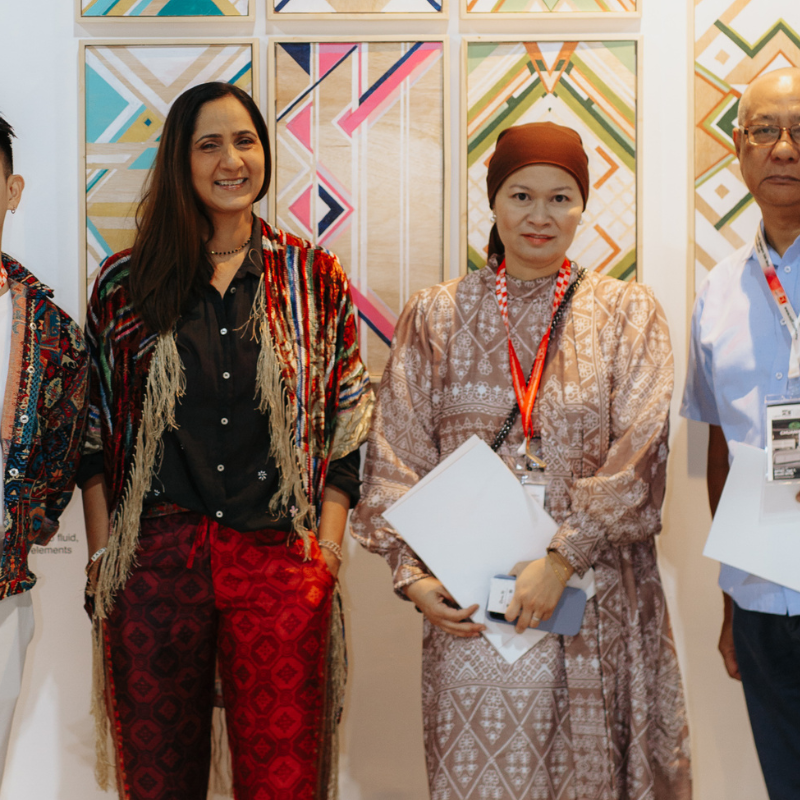
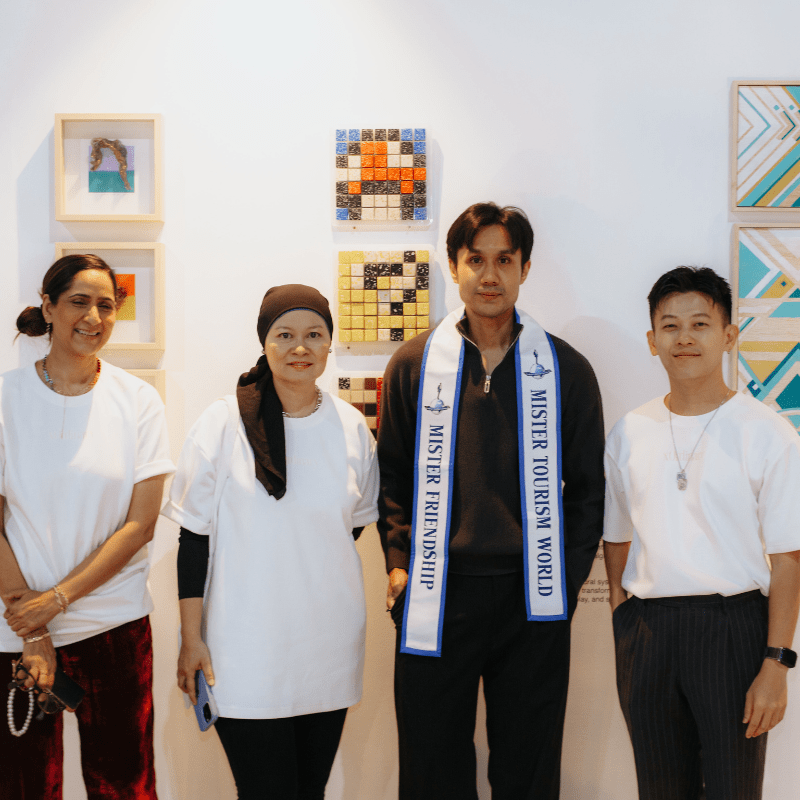
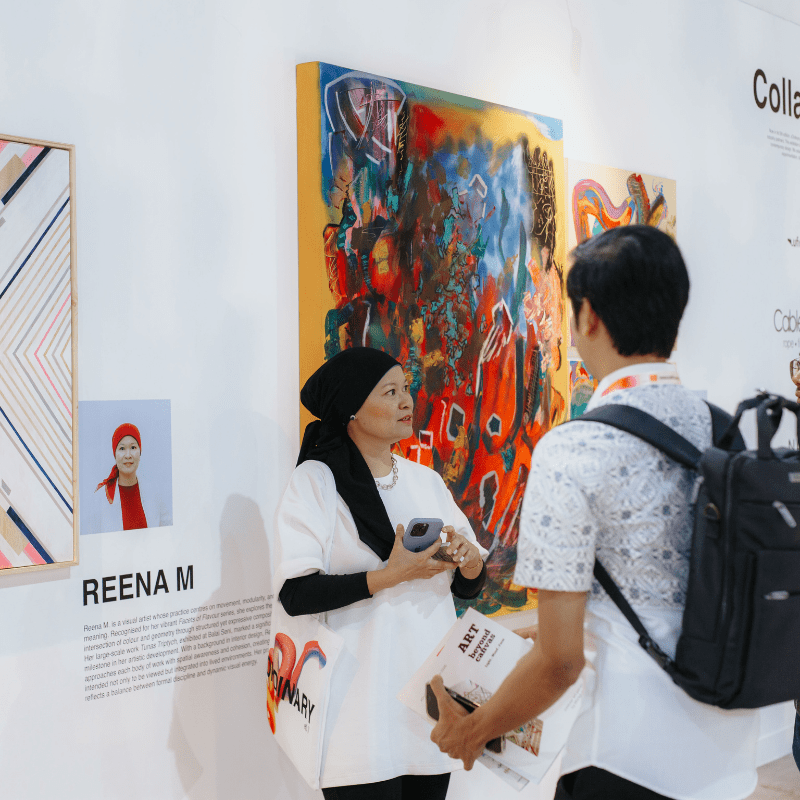
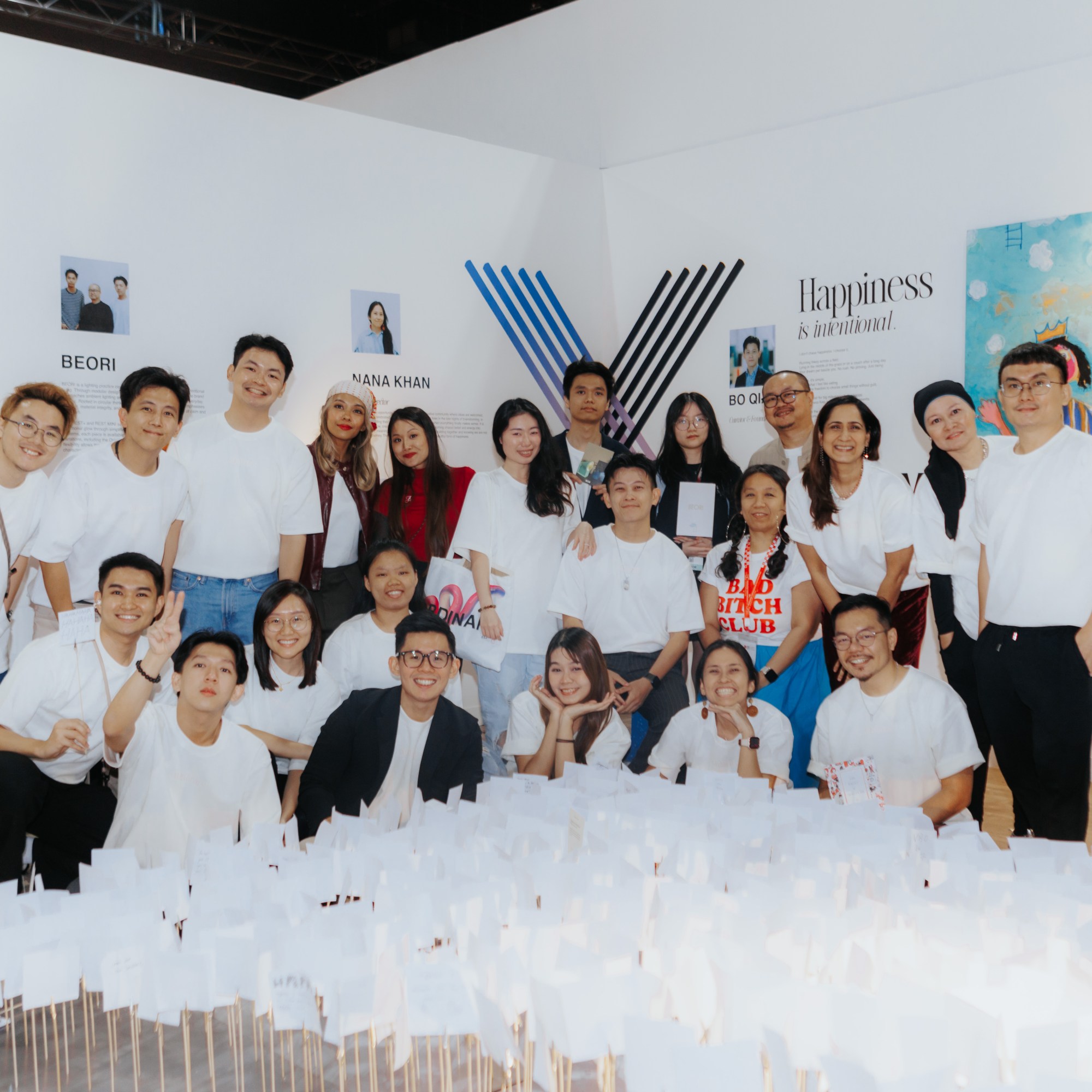
To my fellow exhibitors and creatives, thank you for sharing your energy, ideas, and openness throughout the event. One of the best parts of participating in exhibitions is the community that forms quietly behind the scenes the conversations during setup, the mutual support during long days, the exchange of perspectives, and the understanding that everyone is trying to create something meaningful in their own way.
And finally, to the organisers of xOrdinary and the Malaysian International Furniture Fair 2026, thank you for creating a platform that allows emerging and interdisciplinary voices to exist within a major international fair. It takes courage to dedicate space to experimentation in environments often driven by commerce and scale. The platform has real potential to continue growing into an important bridge between art, design, interiors, and spatial innovation.
Two months later, I realise the exhibition was never only about the days spent at the fair itself. It was about what continued afterwards the connections, conversations, reflections, opportunities, and ideas that remained long after the booths came down.
And perhaps that is the real success of exhibitions like this.
Not only what was displayed,
but what continues to move after.
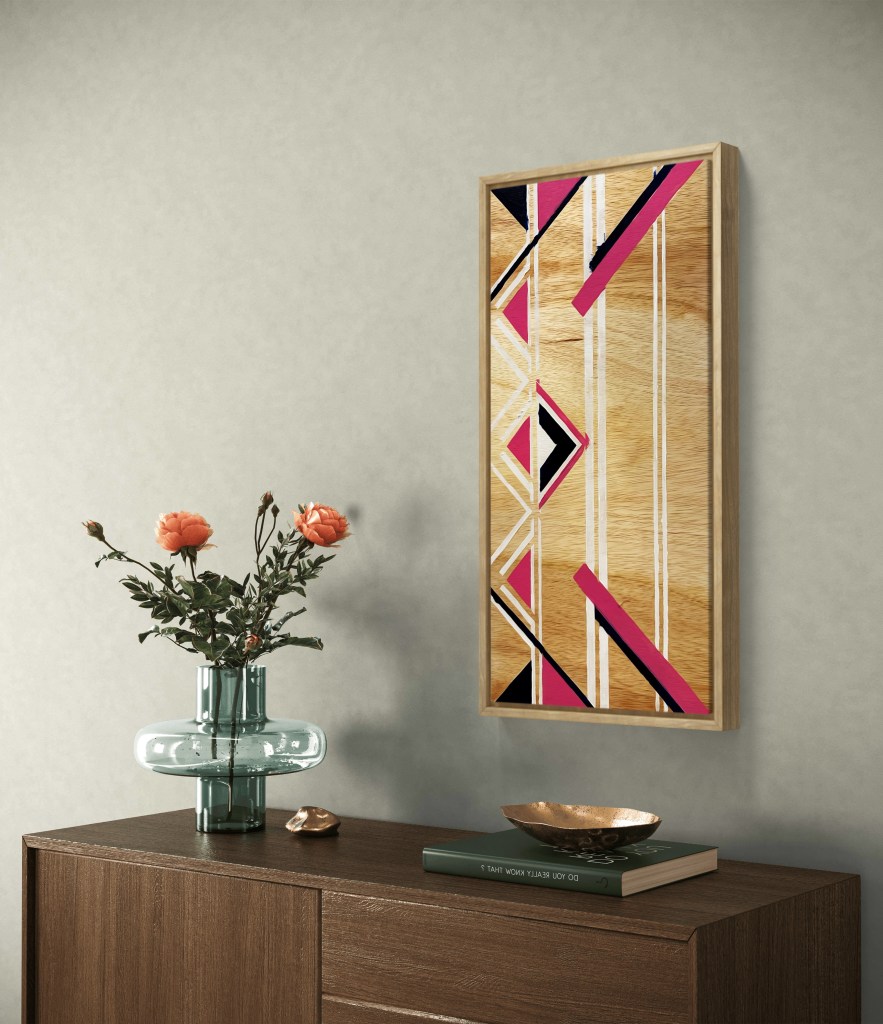
What made this exhibition experience even more meaningful to me was realising how differently an artwork begins to live once it leaves the studio.
Take Away
In the studio, the work exists quietly between the artist and the process. It carries private thoughts, frustrations, revisions, silence, and intuition that nobody else fully sees. But once the artwork enters an exhibition space, it no longer belongs only to the maker. It begins interacting with people, architecture, movement, light, conversations, and interpretation.
At xOrdinary during the Malaysian International Furniture Fair 2026, I watched that shift happen in real time.
People approached the work with perspectives completely different from my own. Some saw emotion, some saw systems, some saw movement, and others connected the work to memory or space. What fascinated me most was understanding that the artwork was no longer static it was changing through each interaction.
As artists, we spend so much time creating in solitude that we sometimes forget artworks are eventually meant to leave us. Not just physically, but emotionally as well. Exhibitions become the moment where the work starts forming relationships outside the studio walls.
Looking back now, I realise that perhaps the real journey of an artwork does not begin during creation.
It begins the moment it leaves the studio and enters the world.
photo credit @___xordinary @Zenn_yo
 Art Beyond Canvas
Leave a comment